
Build a volunteer speakers bureau for your nonprofit
An executive director was candid with me about her volunteer speakers bureau: “I have no idea what they’re saying, how they’re saying it, or how they’re delivering it.”
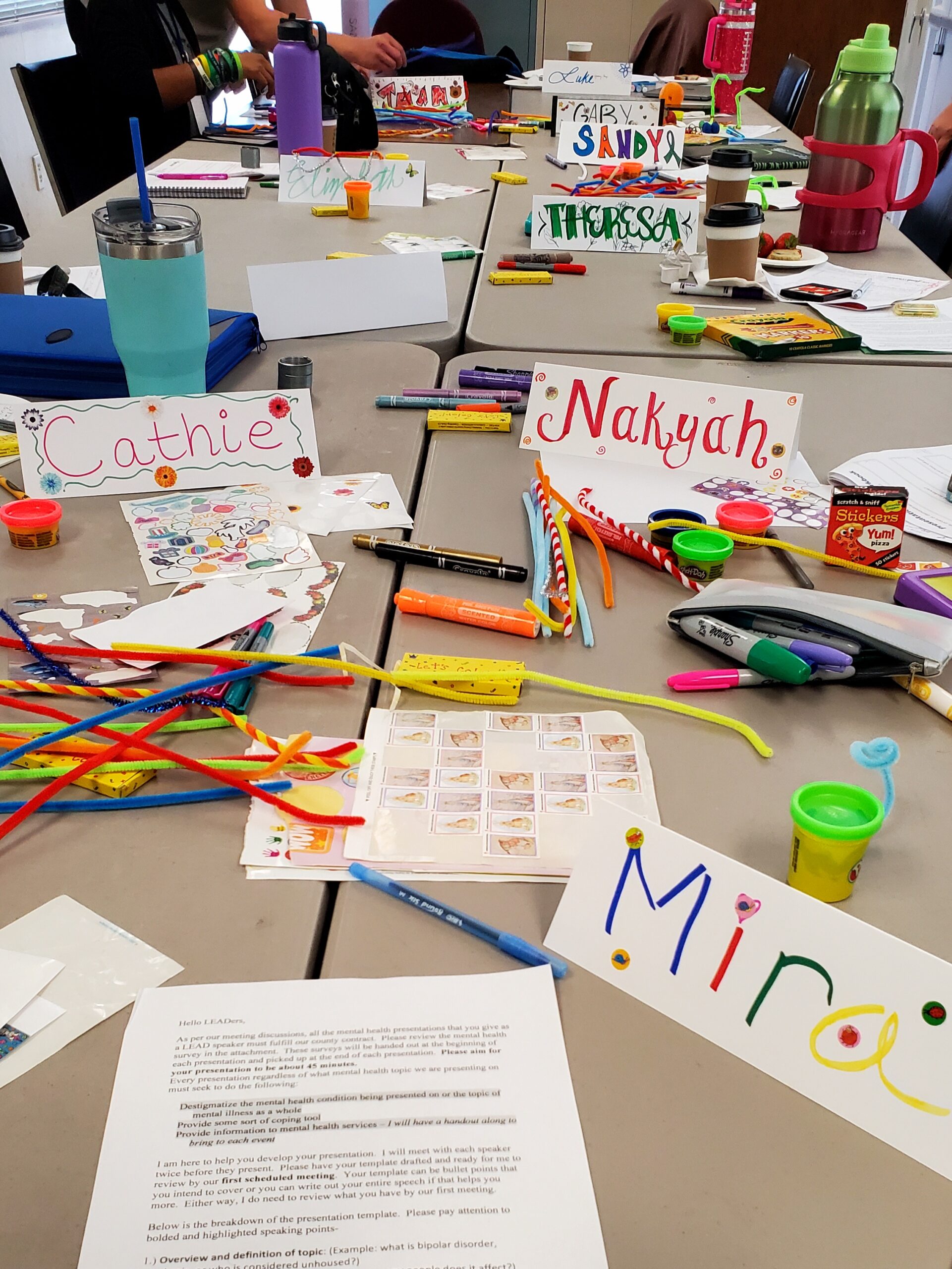
These community outreach volunteers were basically being set loose without training, without guidelines, and without a clear or consistent message about their organization’s work. And no way of tracking what worked and what didn’t.
If you’re a nonprofit leader, you know that your volunteers are out there talking about you. The question is whether they’re doing it well.
Do you need a volunteer speakers bureau?
Is there an advocacy, capacity AND equity strategy that you could be implementing? Some questions for you:
Is your team too busy or understaffed to be in the community as much as you would like?
Could your volunteers be using their talents and skills more effectively and strategically?
Are you inconsistent about community outreach to build awareness of your work?
Do people in your community understand what your organization actually does?
Are you lacking the voices of lived experience in your outreach?
If you answered yes to any of these, perhaps you need a volunteer speakers bureau!
How my clients use volunteer speakers
Several of my clients use volunteer speakers as the face and voice of the organization.
Pulmonary Fibrosis Foundation recruits Ambassadors from their community of patients, caregivers, lung transplant recipients, family members, and those who have lost a loved one, to serve as spokespeople on behalf of the foundation.
Transitions-Mental Health Association’s LEAD Project (Lived Experience Advocacy Development) speakers act as “a critical link for policymakers on mental health services in Santa Barbara County and the State of California. All LEAD advocates are individuals with lived experience that includes some or all of the following: mental illness, addiction, homelessness, and recovery.”
South Central Los Angeles Regional Center has a small team of parents and users of services that provide outreach and educate the community about the regional center’s services.
Those with lived experience give a “face and story to people who cannot speak for themselves” (TMHA) and “share a message of hope and inspiration.” (PFF)
Ambassadors with lived experience are also critical to sharing your message with policymakers, funders, researchers and others at the local, state and national level who don’t understand the issues as well as your own people.
Investing in training your volunteers is all UPSIDE
- Speaking and community outreach cost nothing, and a well-trained and passionate volunteer can make a huge impact at city council meetings, fundraising events, schools, churches, and service organizations.
- An ambassador with lived experience brings the heart and soul of your work directly to the funder, donor or policymaker. They provide relatability and credibility as someone who has walked the walk.
- Supported volunteers who feel capable and valued stick around. Professional and personal development opportunities build their skills, support their leadership, and give them a sense of ownership in the message and the organization.
- Trained volunteers know how to handle the questions and concerns that might arise when they speak to community members. They don’t share misinformation. They don’t go rogue. They uphold a consistent approach.
- The cost of skipping training is often invisible. When a volunteer’s messaging is unclear or inconsistent, you’ll never know if you lost a potential donor or partner, or why.
Your volunteers and clients have powerful stories and experiences to share and the potential to grow relationships in the community. But without support and training, they’re not connecting those stories back to your mission or your call to action.
They’re already one of your most valuable resources. Investing in them means they show up confident, capable, and ready to represent your mission.
If you’re having to stretch your people and funding resources, speaker ambassadors are a valuable resource you should be considering.
Have you thought about providing this kind of training to volunteers and constituents as a professional development opportunity as well as an organizational strategy? Visit my nonprofit training page or submit a training inquiry to talk about training your team!
Leave a Reply